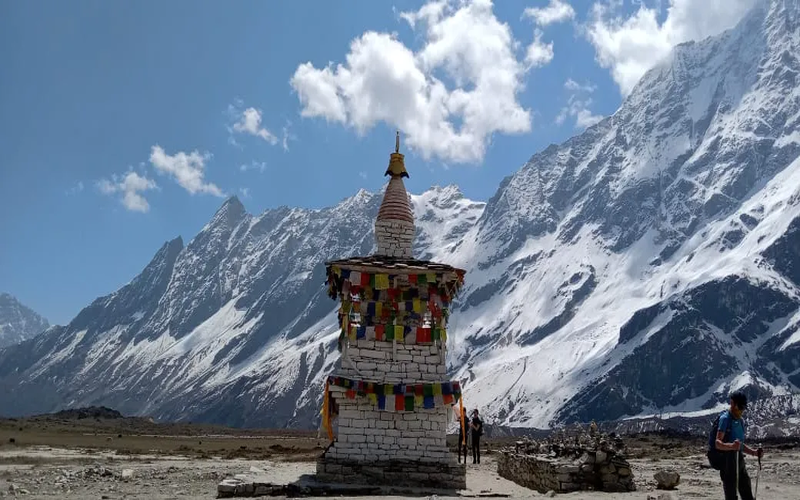
The Manaslu Circuit Trek combines a demanding mountain journey with an intimate introduction to life in Nepal’s high Himalayan valleys. Beginning with a drive from Kathmandu to Machha Khola, the route follows the Budhi Gandaki River through terraced countryside, forested gorges and villages before entering the Tibetan-influenced settlements of the upper valley.
As you gain elevation, prayer flags, mani walls and monasteries become part of the landscape. Overnight stops in Lho and Samagaun give you time to appreciate the mountain surroundings, while a dedicated acclimatization day in Samagaun supports your preparation for the higher stages.
Beyond Samdo and Dharamsala, the journey reaches its highest point at Larkya La Pass, approximately 5,160 metres. A long descent brings you to Bimthang, followed by a walk through forests and lower mountain settlements to Tilche. From Tilche, walk to Dharapani and travel by vehicle to Besisahar for your final night outside Kathmandu.
With Himalaya Kingdom Treks & Tours, travel in a private or small group with an experienced guide, porter support and personal attention throughout the journey. Our team arranges the trekking logistics and adapts the pace to the group’s condition and local circumstances.
In Kathmandu, stay in the hotel category confirmed in your quotation, with breakfast included. During the trek, accommodation is in local teahouses with simple rooms and shared facilities. Private bathrooms, reliable hot water and electricity are not available everywhere. Dharamsala is particularly basic, and shared sleeping arrangements may be required.
Meals on the trekking journey are ordered from lodge menus, which commonly offer dal bhat, soups, noodles, potatoes, eggs and other simple dishes. Choices become more limited at higher elevations. Tell us about dietary requirements before booking so we can discuss what is practical along the route.
This is a challenging trek involving consecutive walking days, uneven terrain, substantial ascents and descents, and a high mountain pass. Most stages take approximately 4–8 hours, while the pass crossing can take 8–10 hours or longer. Good fitness and previous multi-day hiking experience are strongly recommended.
Prepare with regular hiking, hill walking and endurance exercise. Practise walking in your trekking boots and carrying your daypack. The acclimatization day helps structure the ascent, but individual responses to altitude vary; the guide may adjust the itinerary when necessary.
Spring, from March to May, and autumn, from September to November, are generally the preferred trekking seasons. Conditions vary within each season, and clear skies cannot be guaranteed. Snow, cold and strong winds may affect the pass even during popular months. Winter and monsoon departures require individual assessment of route conditions and suitable arrangements.
The route requires a Manaslu Restricted Area Permit and entry permits for the Manaslu and Annapurna conservation areas. We arrange the permits for your confirmed itinerary through the appropriate process. Send your passport details, photographs and requested documents in advance, and allow time in Kathmandu for preparation. Departure arrangements must comply with the permit rules in force at the time of travel.
Your guide will monitor the group’s condition and discuss each day’s plan. Tell the guide promptly if you feel unwell. Continuing to a higher elevation or crossing the pass depends on the group’s condition and the weather.
Road disruptions, landslides, snowfall, lodge availability and other circumstances may require changes to overnight stops, transport or departure times. Decisions will be made with safety and practical access in mind. Rescue coordination can be assisted by our team, but evacuation depends on conditions and available services, and its costs are not included.
Arrange travel insurance that explicitly covers this itinerary’s maximum altitude, trekking activities, medical treatment and emergency evacuation. Allow additional time before a non-flexible international flight where possible.
Pack shared porter luggage within the limit confirmed by our team. Carry daily essentials, valuables and personal medication in your own daypack.
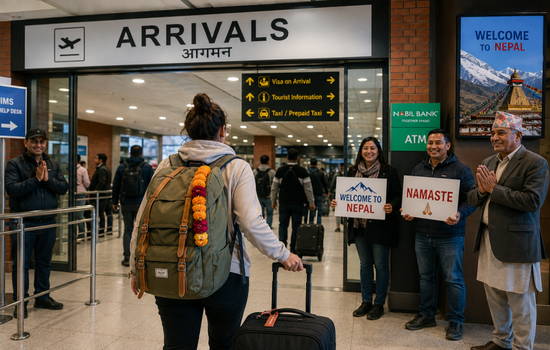
Welcome to Nepal! Our representative will meet you at Tribhuvan International Airport and transfer you to your hotel. After checking in, take time to rest after your flight. Depending on your arrival time, you may enjoy a short walk around the neighbourhood. Our team will introduce the trip arrangements and confirm the following day’s meeting time.
Overnight: Hotel in Kathmandu.
Meals: Meals at your own expense.
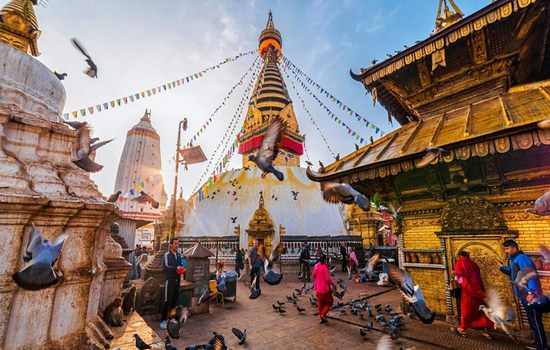
After breakfast, enjoy a sightseeing visit to Boudhanath and Swayambhunath, two of Kathmandu’s well-known Buddhist landmarks. The day also allows time for your trek briefing, equipment check and permit arrangements. Meet your guide, discuss the route and prepare your trekking luggage. Any belongings you do not need on the trek can be left in Kathmandu. The order of activities may change to accommodate the permit process.
Overnight: Hotel in Kathmandu.
Meals: Breakfast.
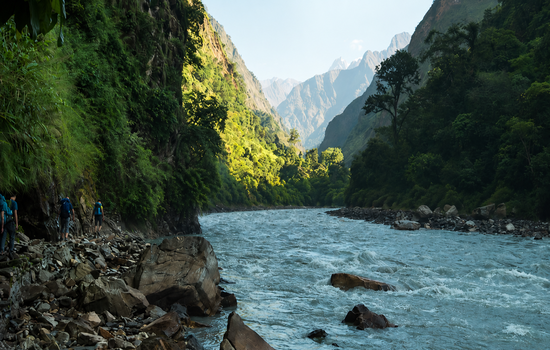
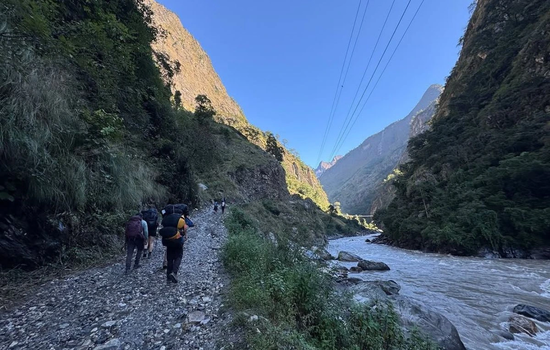
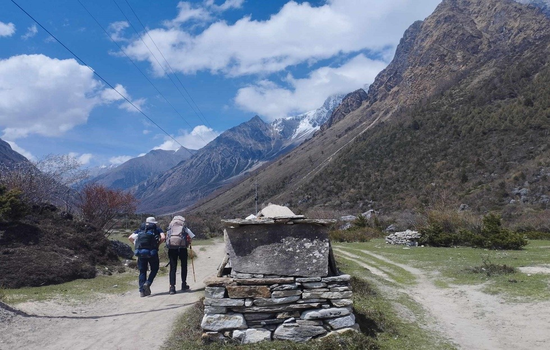
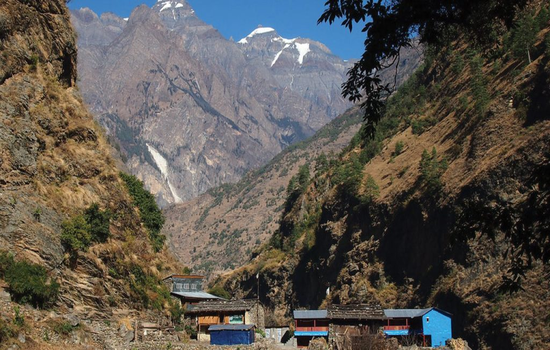
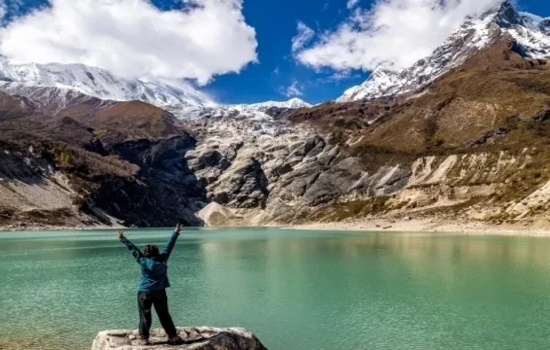
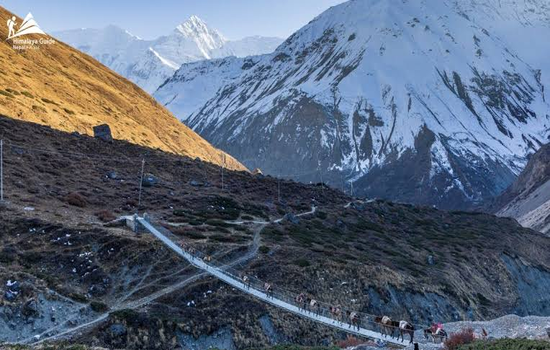
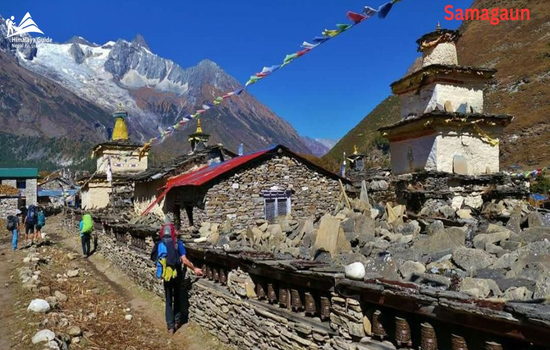
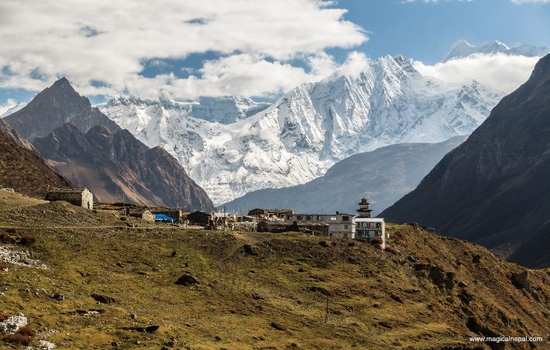
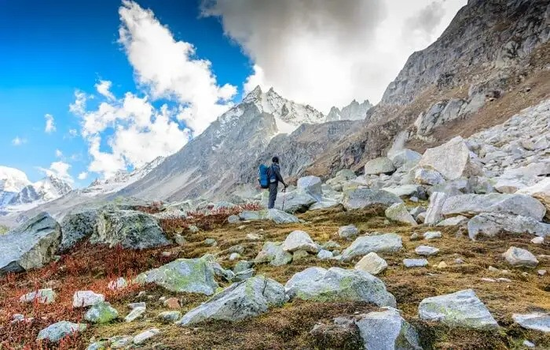
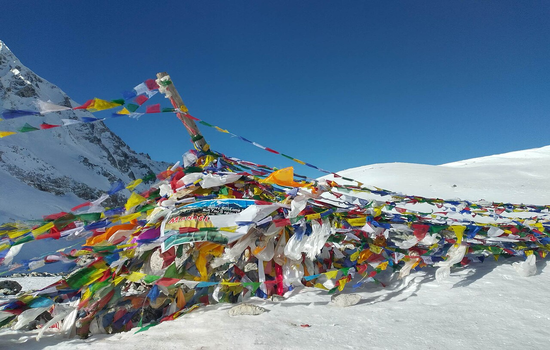
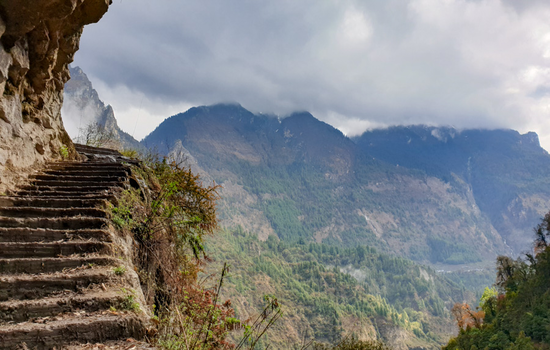
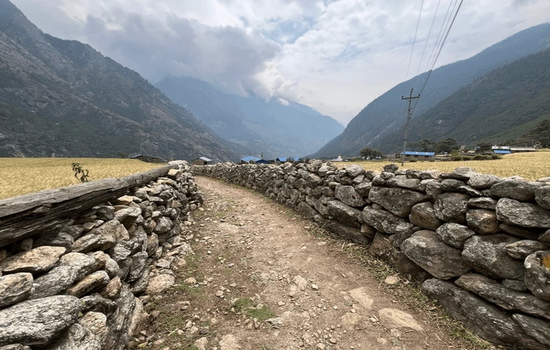
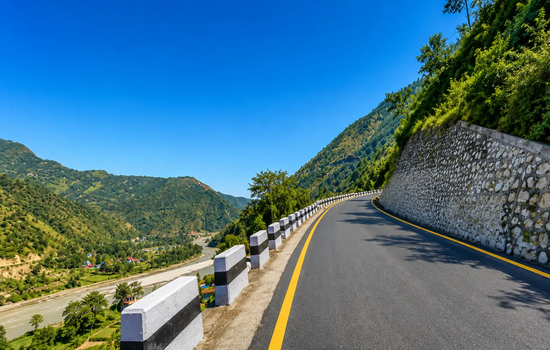
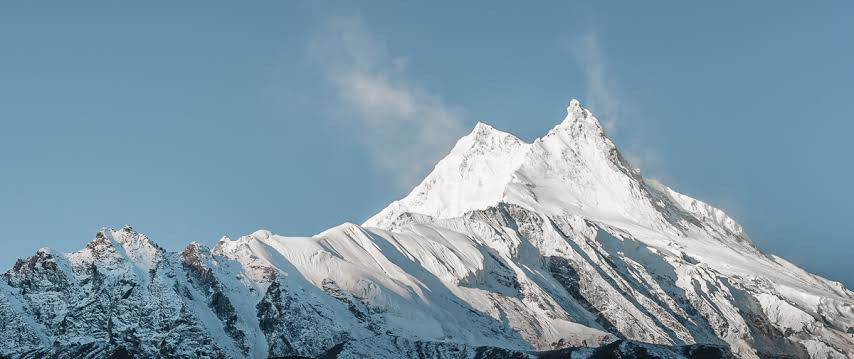
The Manaslu Circuit Trek is a long-distance mountain trek circling the majestic Mt. Manaslu (8,163 m) in the Nepalese Himalayas. It’s known for dramatic mountain views, diverse landscapes, authentic Tibetan-Buddhist culture, and challenging high-altitude hiking.
Yes — a licensed guide (and often a porter) is mandatory, especially for foreign trekkers, because the Manaslu region is a restricted area under Nepal’s trekking regulations.
You must obtain several permits before trekking:
• Manaslu Restricted Area Permit
• Manaslu Conservation Area Project (MCAP) Permit
• Annapurna Conservation Area Project (ACAP) Permit
• Local entrance permit from Jagat authorities
These are essential — without them you won’t be allowed to trek beyond the restricted area.
Typical itineraries are around 12–21 days depending on your pace and itinerary. A popular package is about 14–20 days, often with a rest day for acclimatization.
The trek is moderate to challenging:
Good fitness and trekking experience help, but with proper pacing and acclimatization most trekkers can complete it.
The most popular seasons are:
Winter is cold and can close the high pass; monsoon season brings rains and unstable trails.
Bring:
Packing under ~15 kg is recommended, and extra gear can be carried by porters.
You’ll stay in tea houses/lodges along the route. Meals usually include:
Prices increase with altitude.
There is some Wi-Fi and mobile signal in lower villages, but it becomes limited higher up. Most lodges charge extra for Wi-Fi and device charging.
There are basic medical clinics in villages like Lho and Samagaun, but no full hospitals. Bring good travel insurance that covers high-altitude evacuation if needed.