Considering the Difficulty Level: A Challenging Yet Rewarding Journey
The Manaslu Circuit Trek is renowned for its moderate to strenuous difficulty level, making it a true test of endurance and determination for trekkers. Reaching heights of up to 5,160 meters (16,928 feet) at the Larkya La Pass, this trek is not for the faint of heart. However, the sense of accomplishment you'll feel upon conquering this challenge is unparalleled.
Immersed in Natural Splendor: Trekking Through Diverse Landscapes
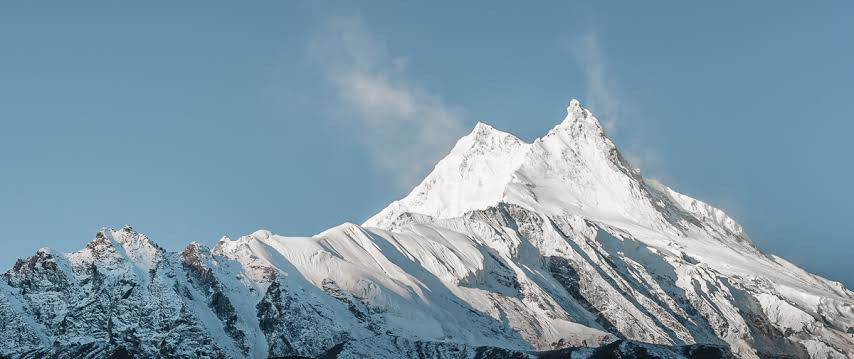
As you wind your way through the Manaslu region, you'll be treated to a stunning panorama of snow-capped peaks, pristine glaciers, and lush, vibrant forests. From the fertile Budhi Gandaki Valley to the arid, rugged terrain of the high-altitude regions, each step of the journey will reveal new and breathtaking vistas that will leave you in awe.
Weathering the Elements: Trekking in Optimal Conditions
The best time to undertake the Manaslu Circuit Trek is during the autumn (September to November) and spring (March to May) seasons. During these periods, the weather is generally mild and dry, with clear skies that offer unobstructed views of the surrounding peaks. However, trekkers should be prepared for the possibility of sudden changes in weather, as the Himalayan climate can be unpredictable.
The Manaslu Circuit Trek is a long-distance mountain trek circling the majestic Mt. Manaslu (8,163 m) in the Nepalese Himalayas. It’s known for dramatic mountain views, diverse landscapes, authentic Tibetan-Buddhist culture, and challenging high-altitude hiking.
Yes — a licensed guide (and often a porter) is mandatory, especially for foreign trekkers, because the Manaslu region is a restricted area under Nepal’s trekking regulations.
You must obtain several permits before trekking:
• Manaslu Restricted Area Permit
• Manaslu Conservation Area Project (MCAP) Permit
• Annapurna Conservation Area Project (ACAP) Permit
• Local entrance permit from Jagat authorities
These are essential — without them you won’t be allowed to trek beyond the restricted area.
Typical itineraries are around 12–21 days depending on your pace and itinerary. A popular package is about 14–20 days, often with a rest day for acclimatization.
The trek is moderate to challenging:
Good fitness and trekking experience help, but with proper pacing and acclimatization most trekkers can complete it.
The most popular seasons are:
Winter is cold and can close the high pass; monsoon season brings rains and unstable trails.
Bring:
Packing under ~15 kg is recommended, and extra gear can be carried by porters.
You’ll stay in tea houses/lodges along the route. Meals usually include:
Prices increase with altitude.
There is some Wi-Fi and mobile signal in lower villages, but it becomes limited higher up. Most lodges charge extra for Wi-Fi and device charging.
There are basic medical clinics in villages like Lho and Samagaun, but no full hospitals. Bring good travel insurance that covers high-altitude evacuation if needed.